This September, a number of St Mark’s clinicians attended the 21st Scientific Meeting of the European Society of Coloproctology (ESCP) where they networked with colorectal disease specialists from across Europe and shared some of the ground-breaking research taking place at St Mark’s.
Their participation throughout the conference—as presenters, honourees, and ESCP Executive Committee members—highlights St Mark’s longstanding position as an international leader in gastroenterology and colorectal surgery.
Recognising A Legacy of Excellence
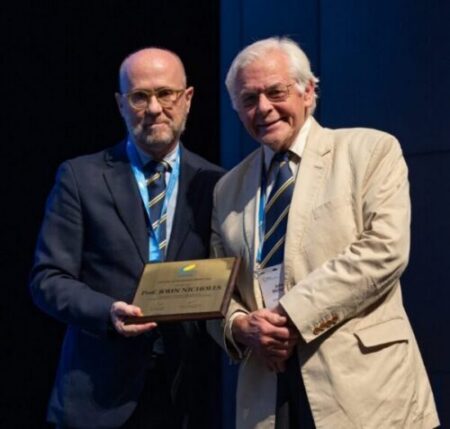
During this year’s meeting, retired St Mark’s colorectal surgeon, Professor John Nicholls, received the ESCP Lifetime Achievement Award. This award honours an individual who has made exceptional and enduring contributions to the field of Coloproctology and to the international colorectal community.
Professor Nicholls was a prominent surgeon and consultant at St Mark’s Hospital from 1977 until his retirement in 2014. Throughout his remarkable career, Professor Nicholls made extraordinary contributions to the field of colorectal surgery.
He is credited with developing the ileo-anal pouch surgery in collaboration with former St Mark’s consultant surgeon, Sir Alan Parks. Ileo-anal pouch surgery is the current gold standard for the surgical treatment of ulcerative colitis.
Professor Nicholls also helped create the world’s first staging system for colorectal cancer based solely on medical imaging and clinical examination. By accurately predicting survival and recurrence rates before patients undergo surgery, his staging system revolutionised cancer staging and set the framework for personalised cancer treatment protocols that clinicians use to this day.
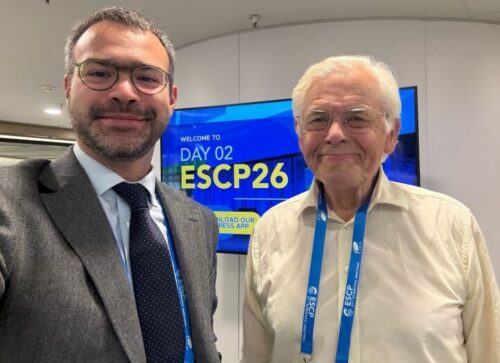
At St Mark’s, nearly 200 years of accumulated experience has been passed from one generation to the next, giving the hospital unrivalled expertise in the treatment and management of bowel diseases. Professor Nicholls is an integral part of this legacy, and it is wonderful to see his work recognised on an international stage.
Pushing Boundaries for the Future
Our clinical colleagues at St Mark’s Hospital are carrying forward this legacy of excellence by taking on international leadership roles and spearheading initiatives to develop the next major innovations in the field.
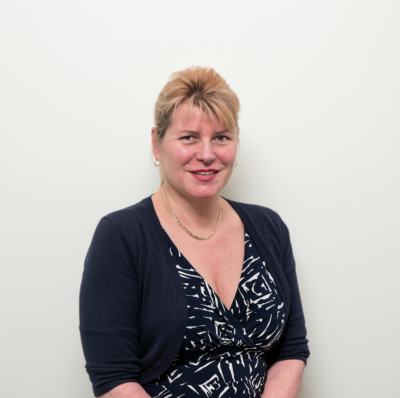
St Mark’s Consultant Surgeon, Ms Carolynne Vaizey, was appointed President in Waiting of the ESCP at the 21st Scientific Meeting. Following in the footsteps of her predecessor and mentor, Professor Nicholls, who was a founding member of the ESCP, Ms Vaizey will play a pivotal role in bringing together the European colorectal community.
Ms Vaizey has been involved with ESCP for 14 years after attending her first conference in Vienna in 2012. Her presidency will be an incredible opportunity to disseminate the best practice developed at St Mark’s and accelerate better outcomes for people with bowel disease all over the world.
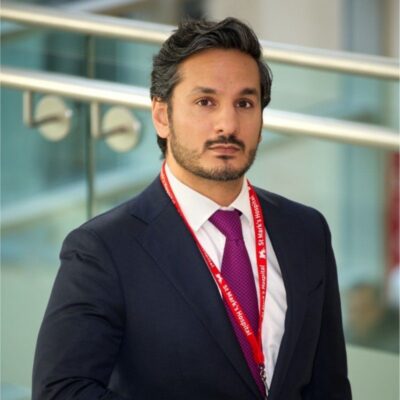
This year’s Prague meeting also saw the appointment of St Mark’s Consultant Surgeon and Director of Innovation, Mr Kapil Sahnan, as the Chair of the inaugural ESCP AI Working Group. The newly established group will focus on the role of artificial intelligence in coloproctology, bringing together top specialists to explore how AI can support research, education and clinical practice.
Showcasing the Breadth of Our Research
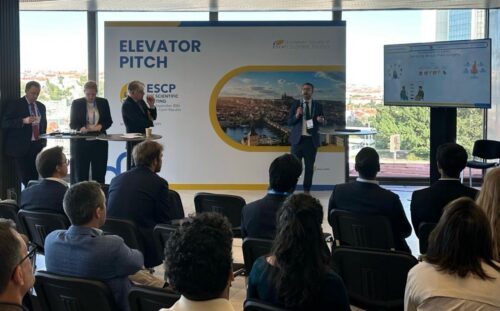
Over the course of three days, the ESCP 21st Scientific Meeting provided an opportunity for St Mark’s consultants and research fellows to have conversations with colleagues from other centres of excellence around the world and share their expertise and ground-breaking research with the wider medical community.
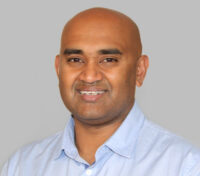 Mr Janindra Warusavitarne is a St Mark’s Consultant Colorectal Surgeon with a speciality interest in Inflammatory Bowel Disease (IBD), intestinal rehabilitation, pelvic floor surgery and surgery for early cancer. Throughout the ESCP Meeting, he chaired several talks on IBD and developed and directed a workshop for clinicians preparing for the European Board of Surgery Qualification. Mr Warusavitarne also gave a presentation on managing complications during and after J-pouch surgery.
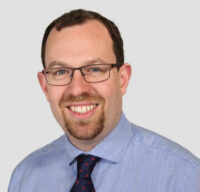
Mr Phil Tozer, St Mark’s Consultant Colorectal Surgeon and co-lead of the St Mark’s Fistula Research Unit, specialises in the treatment of complex, non-cancerous bowel diseases. During the ESCP Meeting, Mr Tozer delivered a talk titled ‘How to choose the right operation for your patient’ which gave practical advice for clinicians to help ensure that patients across Europe receive the best standard of care.
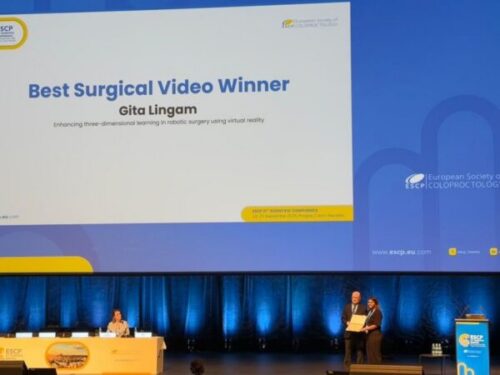
Ms Gita Lingam, surgical trainee and St Mark’s Research Fellow, was granted the ESCP Best Surgical Video Award for her research on using Virtual Reality simulations to improve surgical training. Under the supervision of Mr Kapil Sahnan, Ms Lingam is demonstrating how VR headsets can help clinicians gain invaluable experience during their training and watch surgical problem-solving in real time.
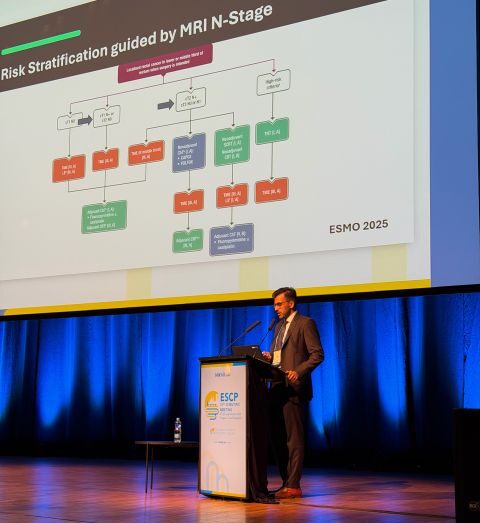
Mr Nikhil Lal is a St Mark’s Research Fellow in the Complex Cancer Clinic and was invited to present his research on pre-operative risk stratification in colorectal cancer. By developing better processes to assess patient risk before surgery, Mr Lal and the team are working to personalise decision-making around treatment options and ultimately ensure better outcomes for colorectal cancer patients.
Mr Orestis Argyriou has a focus on Inflammatory Bowel Disease and Colorectal Surgery in his role as a St Mark’s Research Fellow. At the ESCP meeting, he shared the findings from his research exploring patients’ work-related outcomes after surgery for ulcerative colitis and introduced his new project that is seeking to develop an ileoanal pouch consenting checklist for clinicians to discuss with patients before surgery. Both of these projects aim to improve counselling for patients considering surgery for ulcerative colitis, one of the main forms of Inflammatory Bowel Disease.
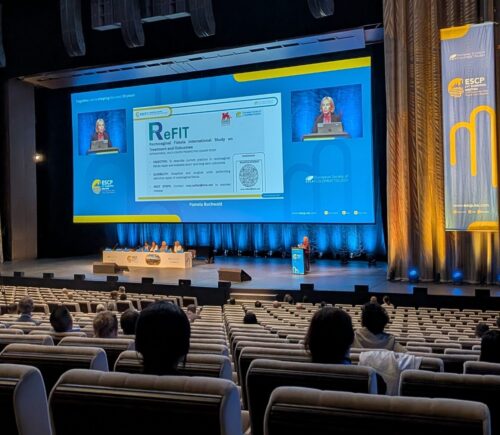
Mr Rory Callan is a Research Fellow in the St Mark’s Fistula Research Unit and the leader of a multi-centre international research project called The ReFIT Study. The collaborative project is comparing treatment options and looking to improve patient outcomes after surgery for rectovaginal fistula, a rare and often debilitating condition. The study was introduced at this year’s ESCP International Research Collaborations session by the ESCP Research Committee Chair, Dr Pamela Buchwald.
St Mark’s Hospital Foundation is proud to support research and education that allows the National Bowel Hospital to maintain its international position as a centre of excellence for gastroenterology and colorectal surgery.
Interested in learning more about the projects we support? Check out our latest Impact Summary or contact the Foundation team at [email protected]