St Mark's Hospital is the only hospital in the world to specialise entirely in intestinal and colorectal medicine and is a national and international referral centre for intestinal and colorectal disorders.
In 2024, St Mark’s Hospital was recognised by Newsweek Magazine as one of the world’s leading specialist hospitals for gastroenterology. St Mark’s cares for over 50,000 patients, 60% of whom have been referred from other UK hospitals to receive specialist care.
Bowel disease deserves attention because…
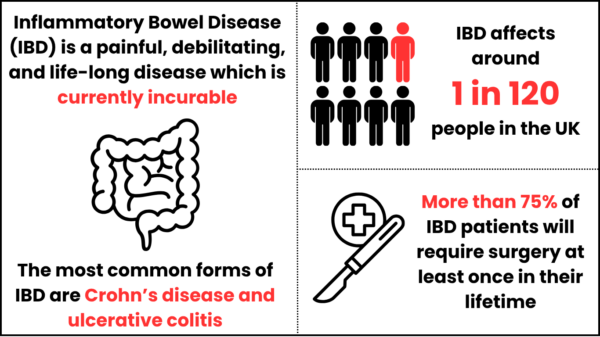
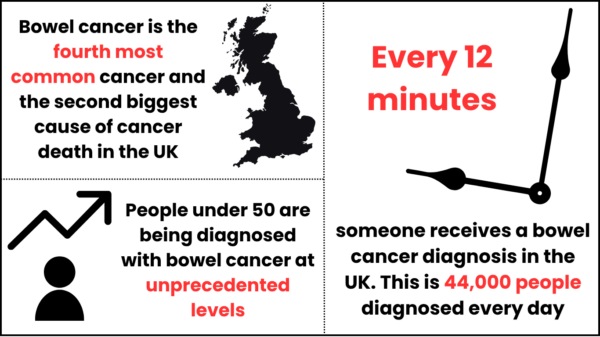
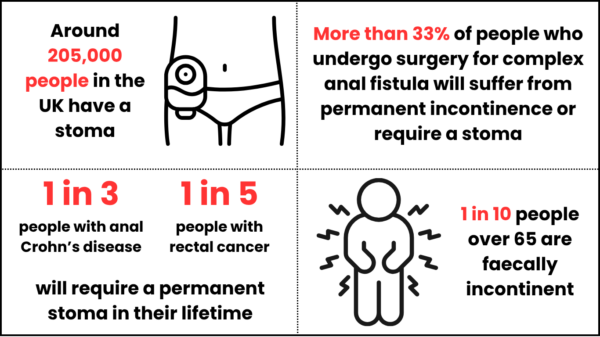
Individuals can also suffer from functional bowel problems, bowel disorders that cannot be attributed to any structural or biochemical problem in the gut, but whose symptoms can significantly impact quality of life.
How St Mark’s Hospital is making a difference…
- St Mark’s Hospital currently cares for over 13,000 adult patients with Inflammatory Bowel Disease (IBD).
- Surgeons from St Mark’s developed the ileo-anal pouch for the surgical treatment of ulcerative colitis. It remains the gold standard treatment of choice for the disease, and has been performed in more than 25,000 patients worldwide.
- St Mark’s was the first hospital to regularly prescribe Azathioprine, an immunosuppressant drug used to reduce inflammation and maintain remission in IBD patients.
Bowel Cancer: Prevention, Early Diagnosis, and Treatment
- St Mark’s established the world’s first registry of inherited bowel cancer more than 100 years ago and continues to manage the surveillance of families with genetic predispositions to various cancers.
- As a tertiary referral centre, St Mark’s performs an average of 2 to 3 times more bowel cancer operations compared to other UK hospitals.
- St Mark’s created the world’s first staging system for cancer that determines future treatment pathways.
Minimally Invasive Surgery & Endoscopy
- The St Mark’s Endoscopy Unit is one of only 3 in the UK and 20 worldwide to be recognised as a centre of excellence by the World Organisation of Digestive Endoscopy.
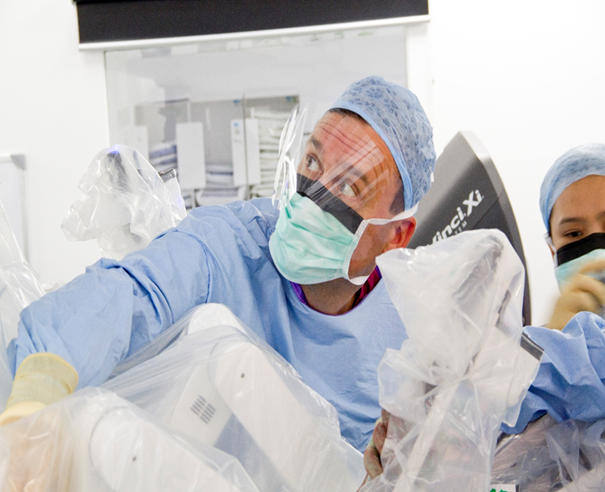
- At St Mark’s, more than half of the bowel procedures eligible for robotic surgery are performed robotically—compared to only 10% of eligible cases which are performed robotically across the NHS as a whole. This has resulted in better post surgery outcomes for patients across the board.
Anorectal Disease
- St Mark’s has pioneered investigation and treatment of haemorrhoids, anal fistula, anal fissure, incontinence and problems of bowel function since it was founded in 1835.
- The high volume of patients with complex, and rare, bowel diseases at St Mark’s Hospital has allowed for the collection of clinical, demographic, and outcome data from patients with fistulas and other anorectal diseases. This data has been invaluable in developing better understanding of and treatment response for these bowel problems.
Intestinal Rehabilitation
- The St Mark’s Lennard-Jones Intestinal Rehabilitation Unit is one of only two hospital departments in the UK able to provide specialist care to patients with intestinal failure, a rare condition where the small intestine is unable to digest and/or absorb the correct amount of nutrients.
- Researchers at St Mark’s have made a number of advances in treating intestinal failure, including developing surgical techniques to lengthen the bowel, pioneering new medications to stimulate bowel growth, and advancing intestinal transplantation and bowel regeneration techniques using stem cells and tissue engineering.
